Food processors operate at a scale that most restaurants never approach. A busy food manufacturing facility might cycle through thousands of gallons of cooking oil per week, making yellow grease collection not a simple service arrangement but a genuine operational and financial consideration.
This guide is written specifically for food processors, co-packers, and high-volume food manufacturers in Southern California who need to understand yellow grease collection logistics, how to optimize their program, and what separates yellow grease from the lower-value grease streams that complicate collection economics.
What Is Yellow Grease?
Yellow grease is the commodity name for used cooking oil that meets certain quality thresholds. The defining characteristic is free fatty acid (FFA) content—yellow grease is generally defined as used cooking oil with FFA levels below 15%, though some buyers have tighter specifications in the 10% range.
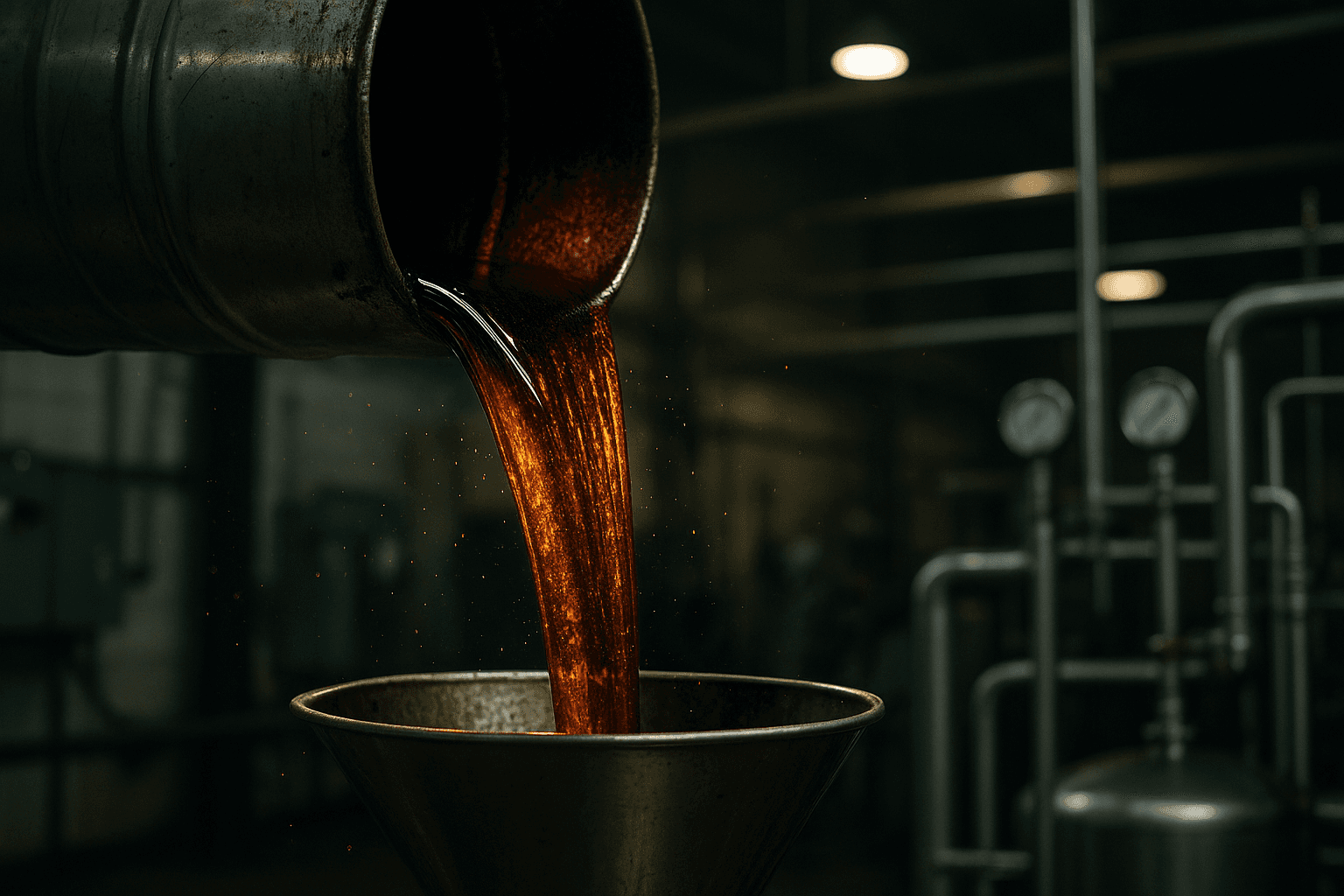
The name comes from the physical appearance of refined used cooking oil: it's a yellowish, semi-liquid fat at room temperature. Most frying operations using soybean oil, canola oil, cottonseed oil, or blended fry shortening produce yellow grease as their waste stream.
Yellow grease is one of the most valuable animal or vegetable-derived fats on the commodity market. It's a primary feedstock for:
- Biodiesel production: Yellow grease is transesterified into fatty acid methyl esters (FAME), which can be blended with petroleum diesel or used neat in compatible engines.
- Animal feed additives: Cleaned and tested yellow grease is used as an energy-dense ingredient in livestock and poultry feed.
- Oleochemicals: Yellow grease derivatives are used in industrial lubricants, soaps, and other chemical products.
For food processors, yellow grease is not waste in the traditional sense. It's a secondary product with real market value—and managing it well means recovering that value rather than paying for disposal.
Yellow Grease vs. Brown Grease: Why the Distinction Matters
The food processing industry generates two fundamentally different grease streams, and confusing them leads to operational problems and lost revenue.
Yellow grease (your fryer oil) is collected directly from cooking equipment. It has relatively low water content, predictable FFA levels based on how hard you're running your fryers, and high value as a commodity feedstock.
Brown grease is the material that accumulates in your grease traps and interceptors. It's a mixture of fats, oils, greases, water, and food solids that has been sitting in a trap, fermenting and degrading. It has very high FFA content, high water content, significant solids loading, and a much lower market value. Brown grease requires specialized handling and processing that yellow grease does not.
For a food processing facility, these two streams should be completely separate:
- Yellow grease goes into your bulk storage tanks or collection containers from your cooking equipment.
- Brown grease is removed from your grease traps by a separate grease trap cleaning service.
Mixing these streams degrades your yellow grease, reduces the rebate you receive on your high-volume output, and can create processing problems at the receiving facility. If your current provider is mixing these streams or not helping you keep them separate, that's a red flag.
Collection Logistics for High-Volume Operations
Storage Infrastructure
Restaurants typically use 50- to 250-gallon outdoor containers. Food processors operate at a different scale entirely. A facility producing 2,000 to 10,000 gallons of waste cooking oil per week needs purpose-built infrastructure.
Common storage solutions for food processors include:
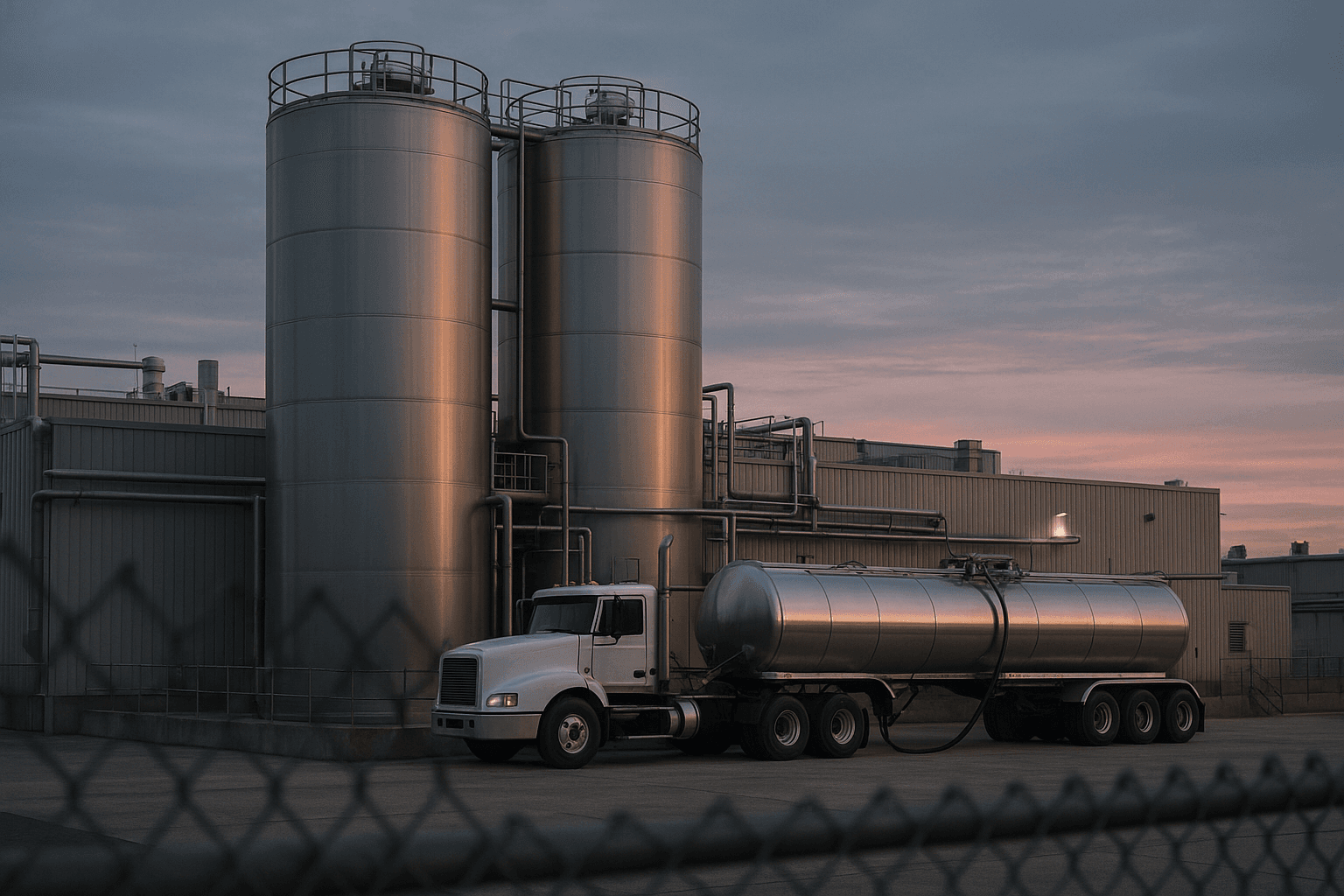
Above-ground bulk storage tanks: Ranging from 500 to 5,000+ gallons, these are the standard for high-volume operations. Material selection matters—tanks should be constructed of carbon steel or HDPE compatible with cooking fats and oils. Look for designs with secondary containment to meet environmental compliance requirements.
Inline transfer systems: More sophisticated facilities pipe spent oil directly from fryers to centralized storage tanks. This eliminates the labor of manually handling oil, reduces spill risk, and keeps the oil cleaner by minimizing air exposure and handling.
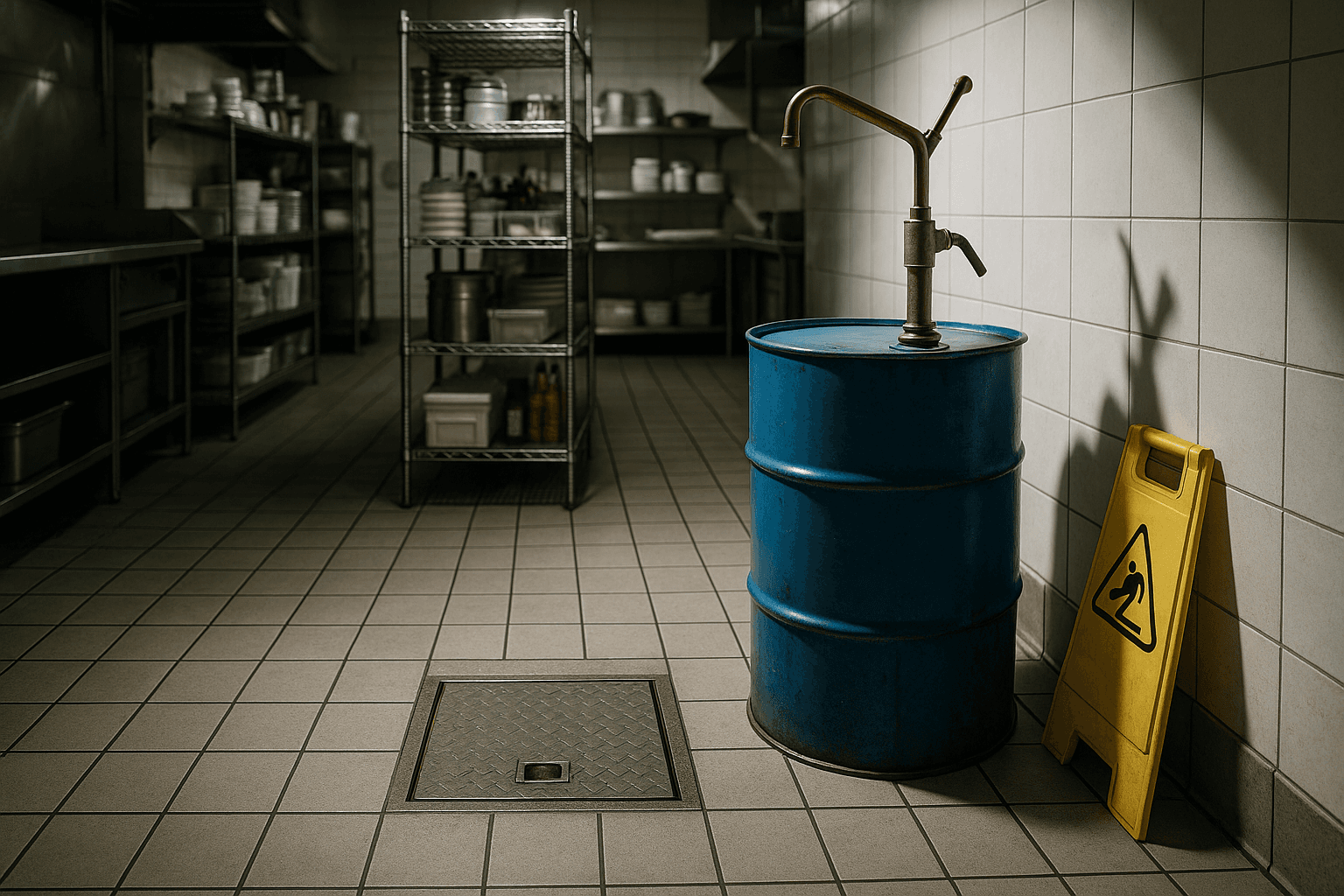
Tote stations: Some processors use large intermediate bulk containers (IBCs), typically 275- or 330-gallon totes, as a flexible middle ground between portable containers and permanent tanks.
Whatever storage configuration you use, ensure it's compatible with the pump-out equipment your collection provider operates. Vacuum trucks need accessible, properly-fitted pump connections. Confirm specifications with your hauler before installation.
Pickup Scheduling
High-volume food processors typically need scheduled bulk pickups on a regular cadence—weekly, bi-weekly, or even daily for the largest operations. Unlike restaurants where a single driver with a pump truck handles everything, very high-volume collections may require tanker trucks with larger capacity.
Key scheduling considerations:
- Production cycles: Schedule pickups to align with your production runs. Collecting at the end of a production cycle—after a high-oil-usage period—maximizes load size and minimizes the number of trips.
- Contingency capacity: Build in buffer in your storage capacity. If a scheduled pickup is delayed, you need enough tank space to avoid an overflow situation.
- Seasonal variation: Some food processors see seasonal swings in oil consumption tied to product mix or production volume. Your collection schedule should flex with your output.
Kitchen Oil Recycling offers bulk cooking oil disposal and recycling services designed specifically for high-volume generators across Orange County, Los Angeles, and San Diego, with flexible scheduling to match your production calendar.
Maintaining Oil Quality
For high-volume processors, oil quality directly affects your bottom line. Cleaner yellow grease with lower FFA and moisture content commands better prices. Here's how to protect your oil quality between the fryer and the collection truck:
Temperature management: Hot oil oxidizes faster. Allow oil to cool before transferring to storage tanks. If your inline transfer system moves oil while still hot, ensure your tanks are properly vented.
Contamination prevention: Keep water out of your yellow grease storage. Water dramatically lowers oil value and can cause problems at the processing facility. Inspect tank covers, seals, and pump connections regularly for leaks.
First-in, first-out: If you're using multiple tanks or totes, establish a rotation protocol so older oil is collected before newer oil. This prevents oil from sitting and degrading while newer oil fills up a second tank.
Tank cleaning: Periodically clean storage tanks to remove accumulated sediment and water from the bottom. Sediment buildup increases measured insoluble content in samples, which lowers your quality assessment.
Pricing and Contracts for Food Processors
Yellow grease trades as a commodity, which means pricing fluctuates. For restaurant operators with modest volumes, spot pricing is typical. For food processors generating significant weekly volumes, there are more sophisticated options.
Spot pricing: Your rebate is calculated based on current market prices at time of collection. You benefit when the market is strong, but face uncertainty when prices fall.
Fixed-price contracts: Some buyers will offer fixed pricing for a set period—typically 3 to 12 months—in exchange for volume commitments. This provides revenue predictability at the cost of upside when the market rises.
Formula-based pricing: Pricing tied to a benchmark (such as a percentage of Chicago Board of Trade corn oil prices) with a floor and ceiling. This provides some protection against volatility while keeping you connected to the market.
High-volume food processors have negotiating leverage that smaller operators don't. Use it. If you're generating thousands of gallons per week, you should be negotiating pricing, not accepting whatever the first provider quotes.
Compliance Considerations
Food processors in California face a more complex compliance environment than restaurants. Yellow grease collection is subject to CDFA IKG regulations, but you may also have obligations to:
- Local air quality management districts (SCAQMD in the LA Basin, SDAPCD in San Diego) regarding storage tank emissions
- Your local wastewater agency regarding any oil that enters floor drains
- California's Department of Toxic Substances Control if your facility handles certain chemical compounds alongside food production
Proper documentation of your yellow grease collection—manifests from every pickup, records of volumes and receiving facilities—protects you in the event of an inspection or audit.
Selecting a Yellow Grease Collection Partner
At scale, your collection partner is a business partner, not just a service vendor. When evaluating providers for a high-volume food processing operation, look for:
- Valid CDFA IKG registration
- Equipment appropriate to your volume (tanker trucks, not just pump trucks)
- Demonstrated experience with food processing facilities
- Transparent quality testing and pricing methodology
- Responsive service with a defined process for emergency situations
- Contract flexibility that accommodates your production variability
Kitchen Oil Recycling serves food processors and high-volume commercial operations across Southern California. Contact us to discuss your specific volume, infrastructure, and scheduling requirements—we'll build a collection program designed around your operation, not a one-size-fits-all restaurant model.