If you run a commercial kitchen in Southern California, you're already dealing with used cooking oil every day. But unless you've spent time in the rendering or biodiesel industry, the actual mechanics of UCO collection—what happens from the moment oil leaves your fryer to when it gets picked up and processed—can be a bit of a black box.
This guide breaks down the full end-to-end UCO collection process for restaurant operators, cafeteria managers, and food service directors. Understanding how it works helps you make better decisions about your waste oil program, avoid compliance issues, and get the most value from your waste oil program.
What Is UCO Collection?
UCO collection is the scheduled pickup of used cooking oil from commercial food service operations by a licensed grease hauler or rendering company. Once collected, the oil is transported to a processing facility where it's cleaned, refined, and sold as a feedstock for biodiesel production, animal feed supplements, or other industrial applications.
In California, UCO collection is regulated at the state level. Haulers must be registered with the California Department of Food and Agriculture (CDFA) under the Inedible Kitchen Grease (IKG) program. This means that any company collecting your used oil needs to hold valid IKG registration—something worth verifying before you sign a service agreement.
The UCO Collection Process: Step by Step
Step 1: Oil Storage on Your Premises
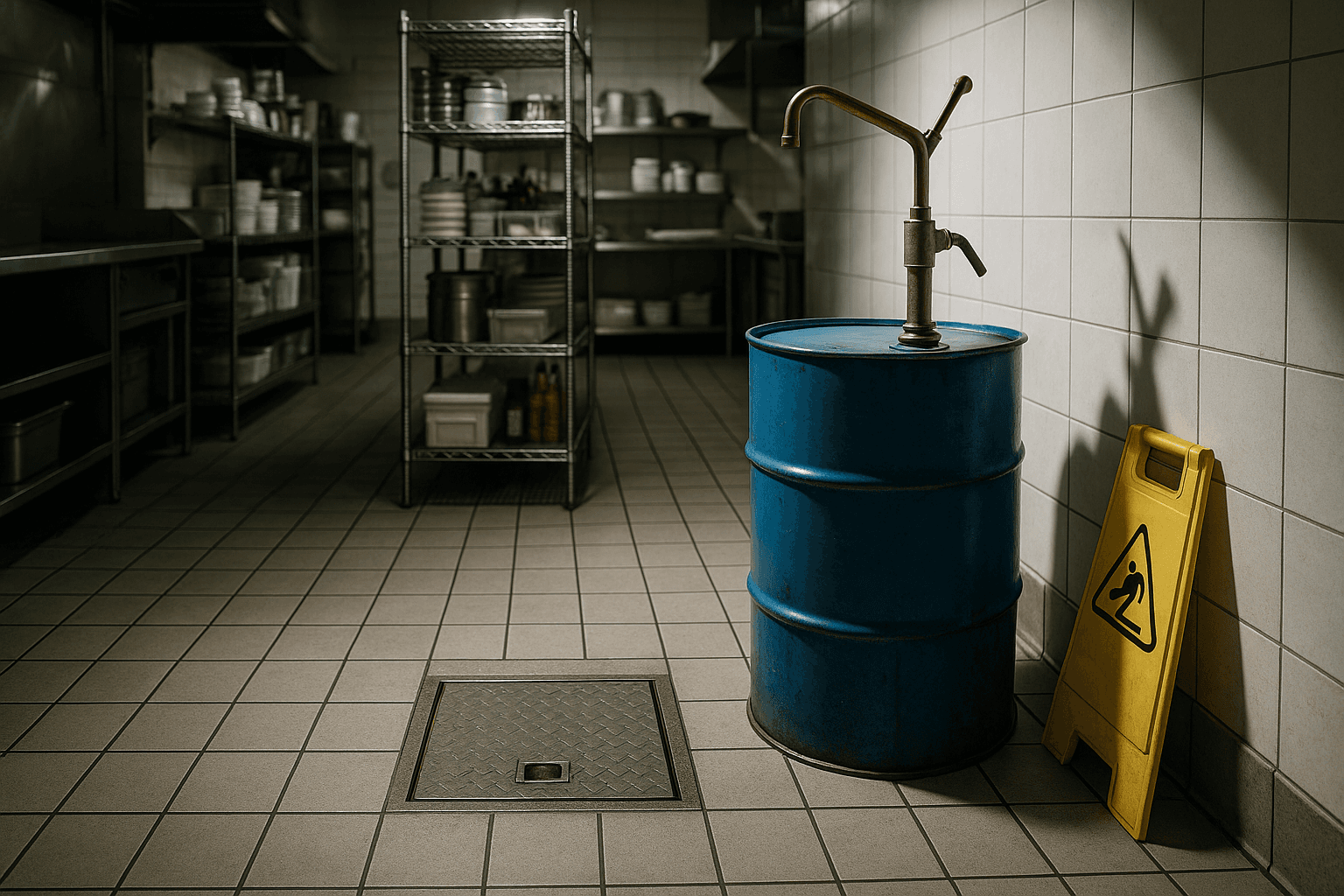
The process starts at your fryer. After oil is spent—typically after several rounds of use or when it reaches a smoke point that affects food quality—kitchen staff drain it into a designated container.
Most commercial kitchens store UCO in one of two ways:
- Indoor collection containers: Smaller, portable containers (often 5-gallon buckets or purpose-built totes) stored inside the kitchen or back-of-house area.
- Outdoor grease receptacles: Larger lockable containers, typically 50 to 250 gallons, stored in a designated outdoor area. These are the most common setup for mid-to-high-volume operations.
Your UCO collection provider will usually supply the outdoor container as part of their service. Kitchen Oil Recycling provides equipment placement and maintenance as part of our standard service offering in Orange County, Los Angeles, and San Diego.
Step 2: Scheduled Pickup
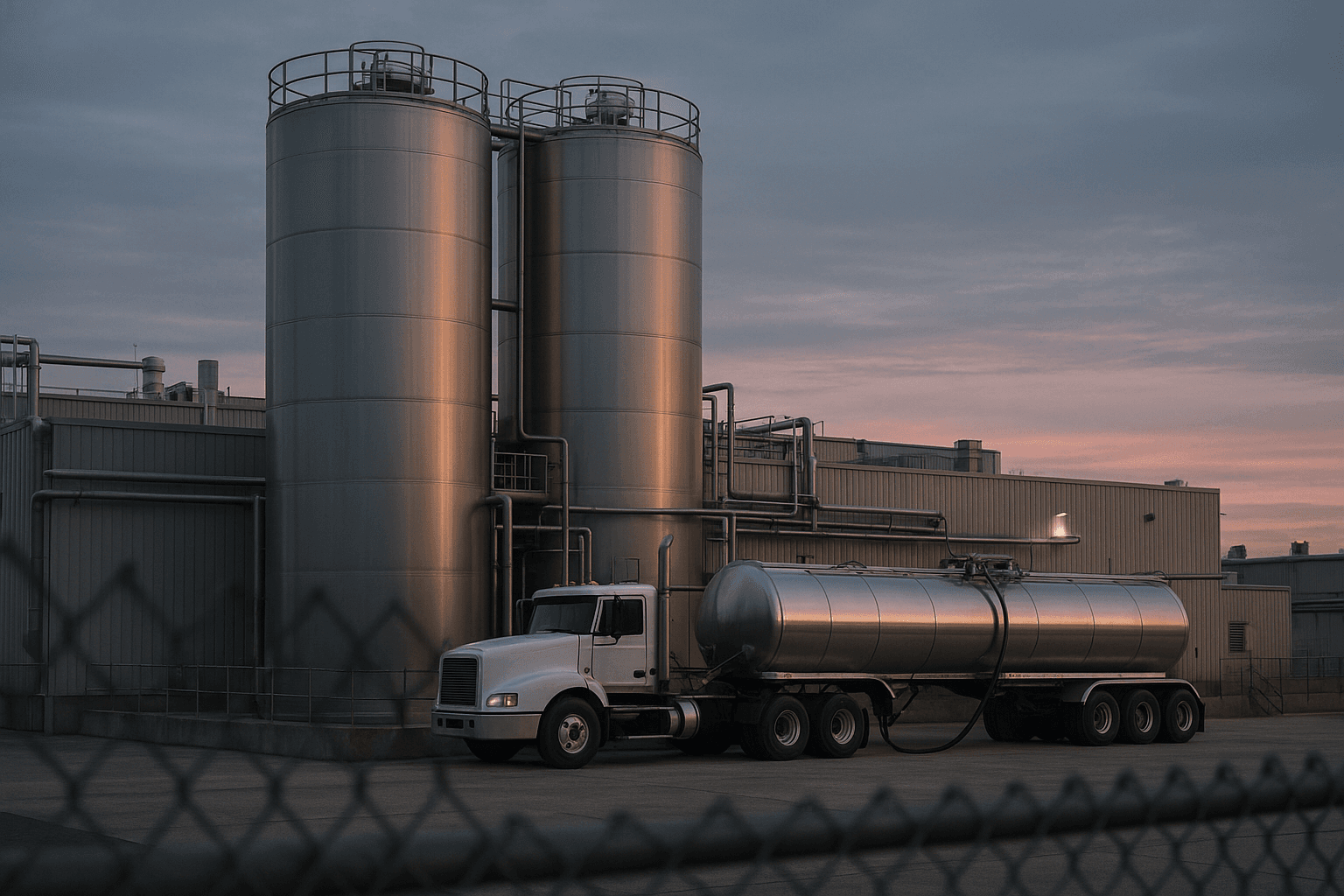
When your container approaches capacity, your collection provider dispatches a licensed driver and a vacuum truck or pump truck to your location. The driver connects a hose to your outdoor container and pumps the oil into a tank on the truck.
This process typically takes 10 to 20 minutes depending on container size and oil volume. Good providers work around your peak hours and won't disrupt lunch or dinner service.
Pickup frequency depends on your volume. A high-output restaurant might need weekly service. A smaller café might do fine with monthly pickups. Your provider should monitor your usage and adjust the schedule proactively rather than waiting for you to call when the container is overflowing.
Step 3: Transport and Documentation
After collection, the driver should provide you with a manifest or receipt documenting the pickup. In California, IKG haulers are required to maintain records of all collections—this documentation matters if you ever face a regulatory inspection or need to prove proper disposal of your waste oil.
The truck then transports the collected UCO to a rendering plant or transfer station.
Step 4: Processing and Refining
At the processing facility, UCO goes through several stages:
- Settling and separation: Water and food solids are allowed to settle and are removed.
- Filtration: Remaining particulates are filtered out.
- Dehydration: Residual moisture is driven off.
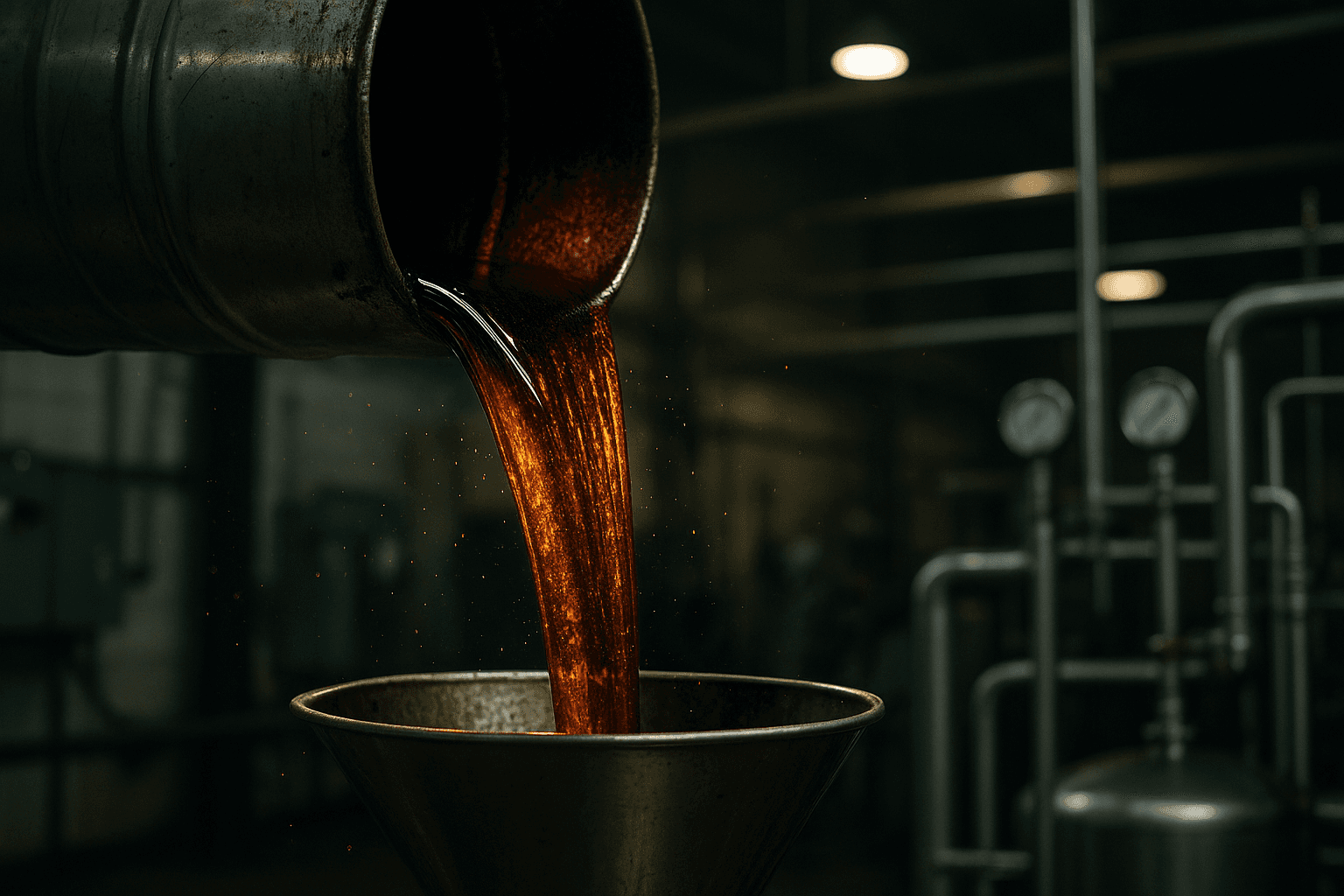
- Refinement: The cleaned oil is analyzed for quality metrics like free fatty acid (FFA) content, moisture levels, and insoluble matter.
The final product is sold based on commodity pricing. Higher-quality UCO (lower FFA, lower moisture) commands better prices on the market. For most restaurants, keeping your UCO clean helps ensure continued free pickup service.
Key Industry Terms You Should Know
Understanding the terminology helps you have more informed conversations with your provider and catch any red flags in service agreements.
FFA (Free Fatty Acid): A measure of oil degradation. Lower FFA means higher-quality oil. FFA rises as oil is used repeatedly and exposed to heat, water, and food particles.
IKG (Inedible Kitchen Grease): The California regulatory classification for used cooking oil and restaurant grease. All UCO collected from commercial kitchens in California falls under IKG regulations.
Yellow Grease: Industry commodity terminology for used cooking oil with FFA content below 15%. Most restaurant fryer oil qualifies as yellow grease. This is the feedstock of choice for biodiesel production.
Brown Grease: Grease trap waste. This is the lower-grade material collected from grease traps and interceptors—it has higher FFA, more water content, and more contaminants than yellow grease. Brown grease requires more processing and commands lower prices. If your provider also offers grease trap cleaning, they're typically handling both streams.
Manifest: The collection documentation required by California regulations. It records the quantity and type of grease collected, the licensed hauler's information, and the receiving facility. Always get a copy.
What Operators Need to Watch Out For
Theft of UCO: Used cooking oil has real commodity value, and grease theft is a documented problem in Southern California. Unlicensed operators may approach you with offers to collect your oil for free or at a better rate. These operations are illegal, often skip required documentation, and can expose you to liability. Always verify a hauler's IKG registration with CDFA before allowing them on your property.
Contamination issues: Mixing water or food waste into your UCO container degrades the oil quality, can jeopardize your free pickup arrangement, and causes operational problems at the processing facility. Train kitchen staff on proper oil handling and establish clear protocols for draining and storing spent oil.
Container overflow: An overflowing grease container is a health code violation and an environmental hazard. Make sure your pickup schedule matches your actual output, and don't hesitate to request more frequent service if your volume increases.
Unlocked containers: Outdoor grease containers should be locked at all times between pickups. Your provider should supply containers with proper locking mechanisms. An unlocked container invites theft and contamination.
Choosing the Right UCO Collection Provider
Not all providers offer the same level of service. When evaluating your options in Southern California, look for:
- Valid CDFA IKG registration
- Clear documentation practices (manifests provided at every pickup)
- Flexible scheduling that adapts to your volume
- Responsive communication—especially for overflow or emergency situations
- Transparent pricing with no hidden fees
Kitchen Oil Recycling serves commercial kitchens across Orange County, Los Angeles, and San Diego with free used cooking oil pickup. We're licensed, documented, and structured around keeping your operation clean and compliant.
The Bottom Line
UCO collection is a routine but important part of running a commercial kitchen in California. Understanding the end-to-end process—from how your oil is stored and picked up, to how it's processed and what it becomes—helps you make smarter decisions about your waste oil program and avoid the compliance pitfalls that catch operators off guard.
If your current provider isn't meeting your needs, or if you're setting up a new kitchen and need to get a UCO program in place, contact Kitchen Oil Recycling for a no-obligation service assessment. We'll evaluate your volume, recommend a pickup schedule, and get you set up with the right equipment for your operation.