If you search for "yellow grease buyer" or "sell used cooking oil," you will find plenty of articles suggesting that your restaurant's waste oil is a valuable commodity waiting to be monetized. Some of that is true — at scale. But for most restaurants, the reality is very different from what those articles suggest.
This guide explains what yellow grease buyers actually do, why the economics work the way they do, and what small to mid-size restaurants should realistically expect when it comes to getting paid for their used cooking oil.
What Is a Yellow Grease Buyer?
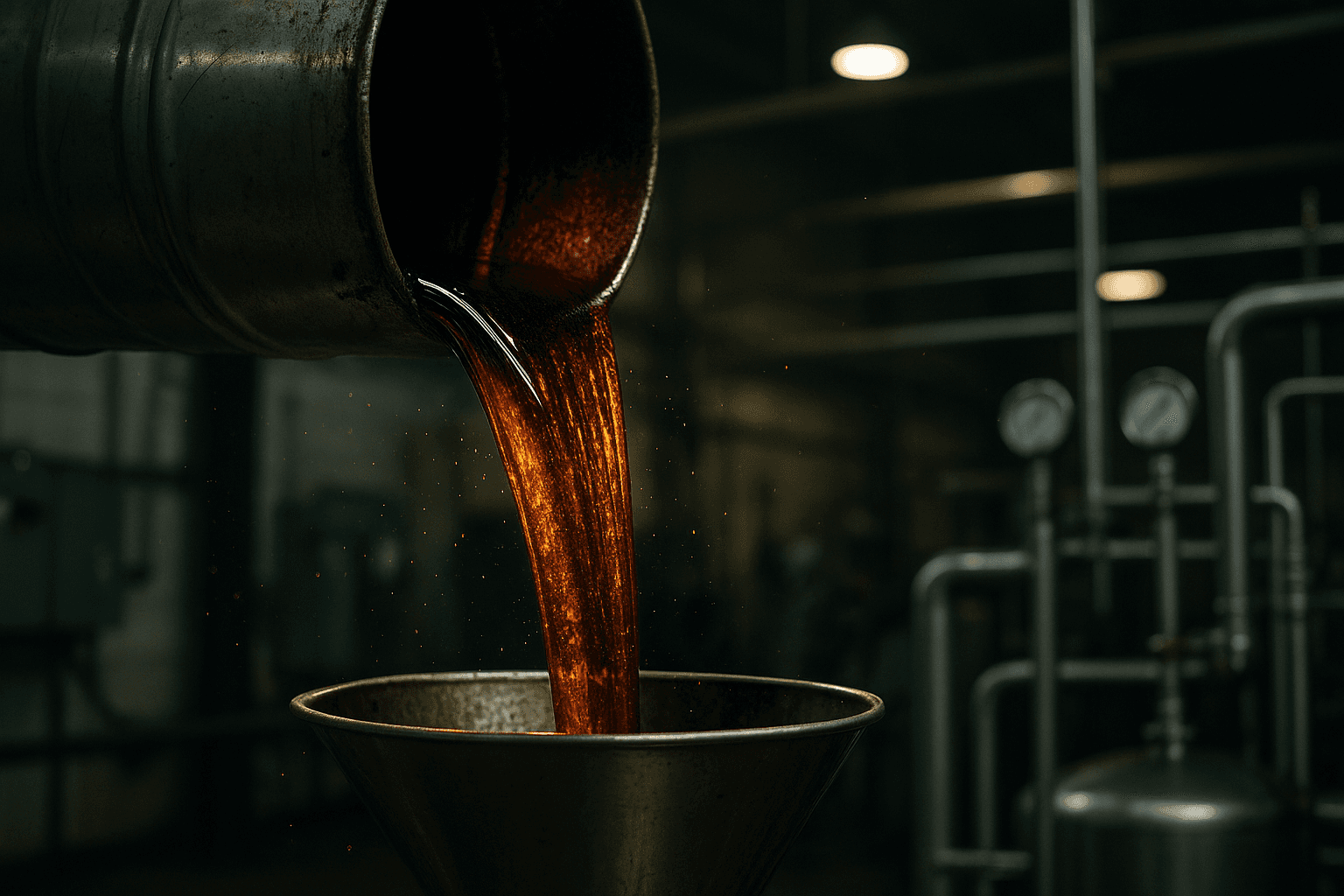
A yellow grease buyer is a company — typically a renderer, biodiesel producer, or grease broker — that purchases used cooking oil from food service operations. They process the oil and sell it as feedstock for biodiesel, renewable diesel, animal feed, or oleochemical production.
In practice, most restaurants interact with a yellow grease buyer through a grease collection service. The collector picks up your oil, and either buys it directly or sells it downstream to a processor. The price they can offer you is whatever the commodity market will pay, minus everything it costs them to come get it.
That "minus everything" part is where the math falls apart for small restaurants.
The Real Cost of Picking Up Your Oil
Here is what most articles about selling used cooking oil leave out: the cost of collection is enormous relative to the value of small volumes.
Licensing and Permits
In California, anyone who transports inedible kitchen grease must be registered with the CDFA as an IKG hauler. The licensing, permits, insurance, bonding, and regulatory compliance required to operate legally cost over $20,000 per year — before a single truck leaves the yard. This is not optional. Operating without proper licensing exposes both the hauler and the restaurant to fines and regulatory action.
Trucks and Drivers
A pump truck capable of collecting used cooking oil costs well over $100,000. Fuel, maintenance, and insurance add thousands more per month. A driver earns a full day's wage whether they are picking up 50 gallons from your restaurant or 2,000 gallons from a food processing plant.
Route Logistics
Every stop on a route takes time — driving to the location, parking, connecting the pump, transferring the oil, cleaning up, generating the manifest, and driving to the next stop. A driver might spend 20 to 30 minutes at each restaurant. That time has a hard cost regardless of how much oil is collected.
Documentation
Every pickup requires a CDFA-compliant manifest documenting the date, volume, driver credentials, vehicle information, and destination facility. This is not a formality — it is a legal requirement that takes time and systems to maintain.
When you add all of this up, the cost of sending a truck to your restaurant to pick up 50 or 100 gallons of used cooking oil is significant. The commodity value of that small volume of oil often barely covers the cost of the stop itself.
Why Rebates Only Make Sense at High Volume
The economics of yellow grease rebates are straightforward: the hauler needs to collect enough oil at a single stop to cover their costs and still have margin left to share with you.
The general threshold is around 500 gallons per week.
At that volume, the commodity value of the oil meaningfully exceeds the cost of the pickup. The hauler can afford to pay a rebate and still make the route profitable.
Operations that typically hit this threshold include:
- Food processors and manufacturers — Snack food plants, tortilla manufacturers, and frozen food co-packers running continuous fryer lines can produce 500 to 5,000 gallons per week. These operations are served by bulk collection programs with tanker trucks.
- Large hotel kitchens — Properties running multiple food outlets (banquet kitchen, restaurant, sports bar, room service) can generate 200 to 500+ gallons weekly, especially during convention season.
- Casino food service — Tribal casinos in Southern California operate 6 to 10 food outlets each, producing 250 to 375 gallons per week with 24/7 operations.
- Multi-unit chains — A chain with 10+ locations consolidating oil can aggregate enough volume to qualify for rebates across the portfolio.
- High-volume frying operations — Fried chicken restaurants, fish and chips shops, and similar concepts that fry continuously at high volume.
If your restaurant does not fall into one of these categories, you are almost certainly below the rebate threshold.
What Small and Mid-Size Restaurants Should Expect
If you are a single-location restaurant producing fewer than 200 gallons per week — which covers the vast majority of full-service restaurants, cafes, and casual dining operations — here is what you should realistically expect:
Free pickup with no rebate. That is the standard arrangement, and it is genuinely a good deal.
Think about what you are getting at zero cost:
- A licensed hauler removes a waste product from your property on a reliable schedule
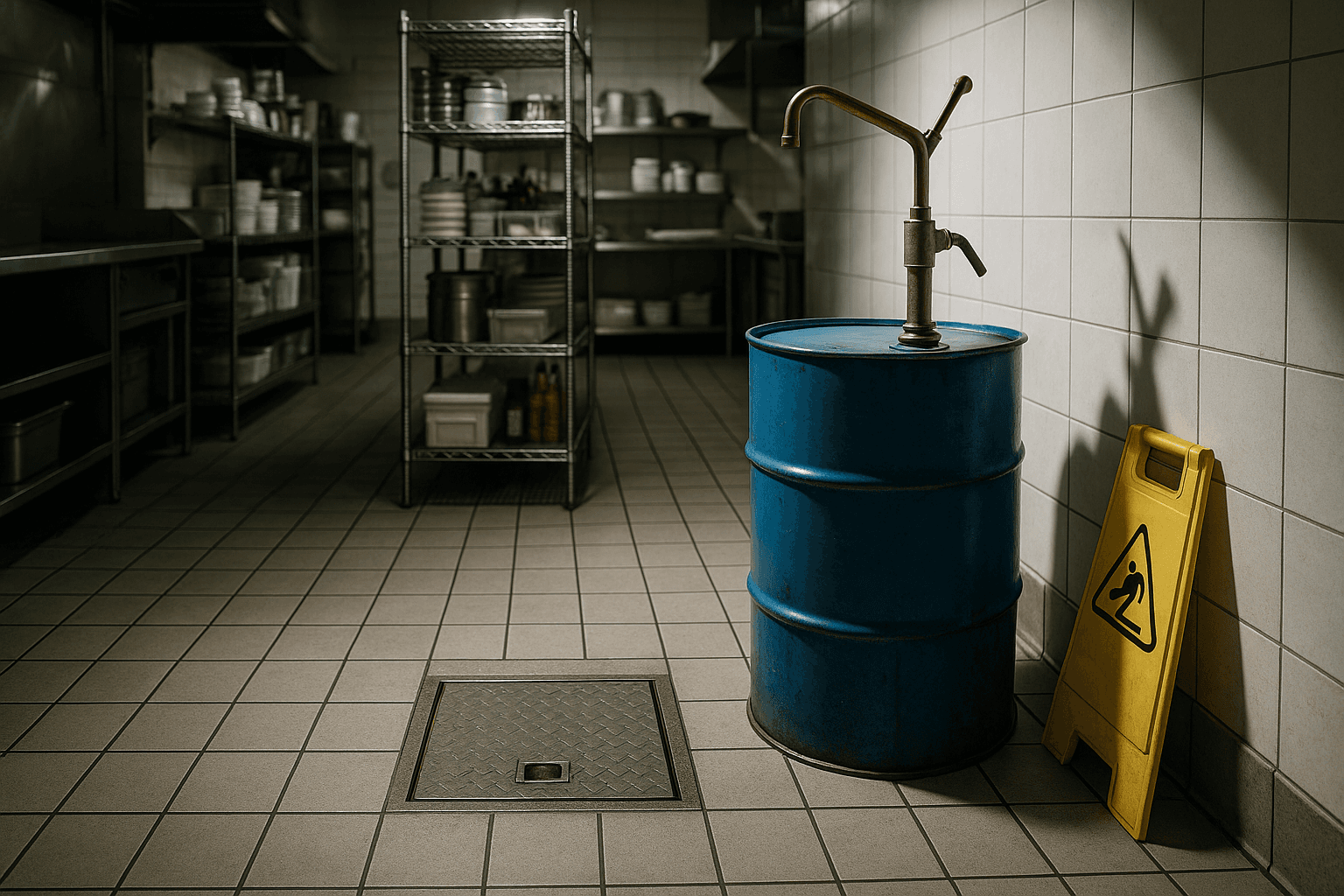
- You receive a sealed, properly sized collection container at no charge
- Every pickup is documented with a CDFA-compliant manifest
- Your compliance records are stored digitally and accessible for inspections
- Container maintenance, replacement, and repositioning are included
- You are protected from the regulatory liability that comes with improper disposal
The alternative — paying for waste oil disposal out of pocket — can cost hundreds of dollars per month. Free pickup eliminates that cost entirely.
Red Flags When a Hauler Promises High Rebates
Be cautious of any hauler who promises large rebates to a small-volume restaurant. Common warning signs include:
- Rebate promises with no volume discussion: If a hauler offers a rebate without first asking how much oil you produce, they are not doing real math. They may be locking you into a contract and planning to reduce the rebate after the first month.
- No CDFA registration: Unlicensed haulers operate with lower costs because they skip the licensing, insurance, and documentation requirements. Lower costs let them offer higher rebates — but you lose compliance protection and risk regulatory exposure.
- Long-term contracts with auto-renewal: Some haulers use attractive introductory rebates to lock restaurants into multi-year contracts with automatic renewal and expensive early termination clauses.
- No documentation at pickup: If a hauler does not provide a manifest at every pickup, you have no proof of proper disposal. This matters during health inspections and CDFA audits.
A legitimate hauler will be transparent about the economics. If your volume does not support a rebate, they will tell you so rather than making promises they cannot sustain.
Focus on What Actually Matters
For most restaurants, the value of a grease collection service is not the rebate — it is the reliability, compliance, and convenience.
The questions that actually affect your bottom line are:
- Does the hauler show up on time, every time?
- Do they provide proper documentation for inspections?
- Is the container the right size and in good condition?
- Can they handle emergencies if your container overflows?
- Do they coordinate with your grease trap cleaning schedule?
These factors have a far greater financial impact than a few cents per pound of oil. A missed pickup that leads to an overflow, a failed inspection due to missing manifests, or a stolen container because the lock was inadequate — any of these costs more than years of rebate payments.
The Bottom Line
Used cooking oil has commodity value, and at high enough volumes, yellow grease buyers will pay for it. But the threshold for rebates is typically 500 gallons per week or more — a level that most single-location restaurants never reach.
If you are a small to mid-size restaurant, the best arrangement is free, reliable pickup from a CDFA-licensed hauler who provides proper containers, generates compliant manifests, and shows up on schedule. That is not a consolation prize — it is a genuinely valuable service that eliminates a real cost from your operation.
Kitchen Oil Recycling provides free used cooking oil pickup for restaurants across Orange County, Los Angeles, and San Diego. No contracts, no hidden fees, no inflated rebate promises. Just reliable service and proper documentation. For high-volume operations producing 500+ gallons per week, contact us about our bulk collection program to discuss rebate eligibility.