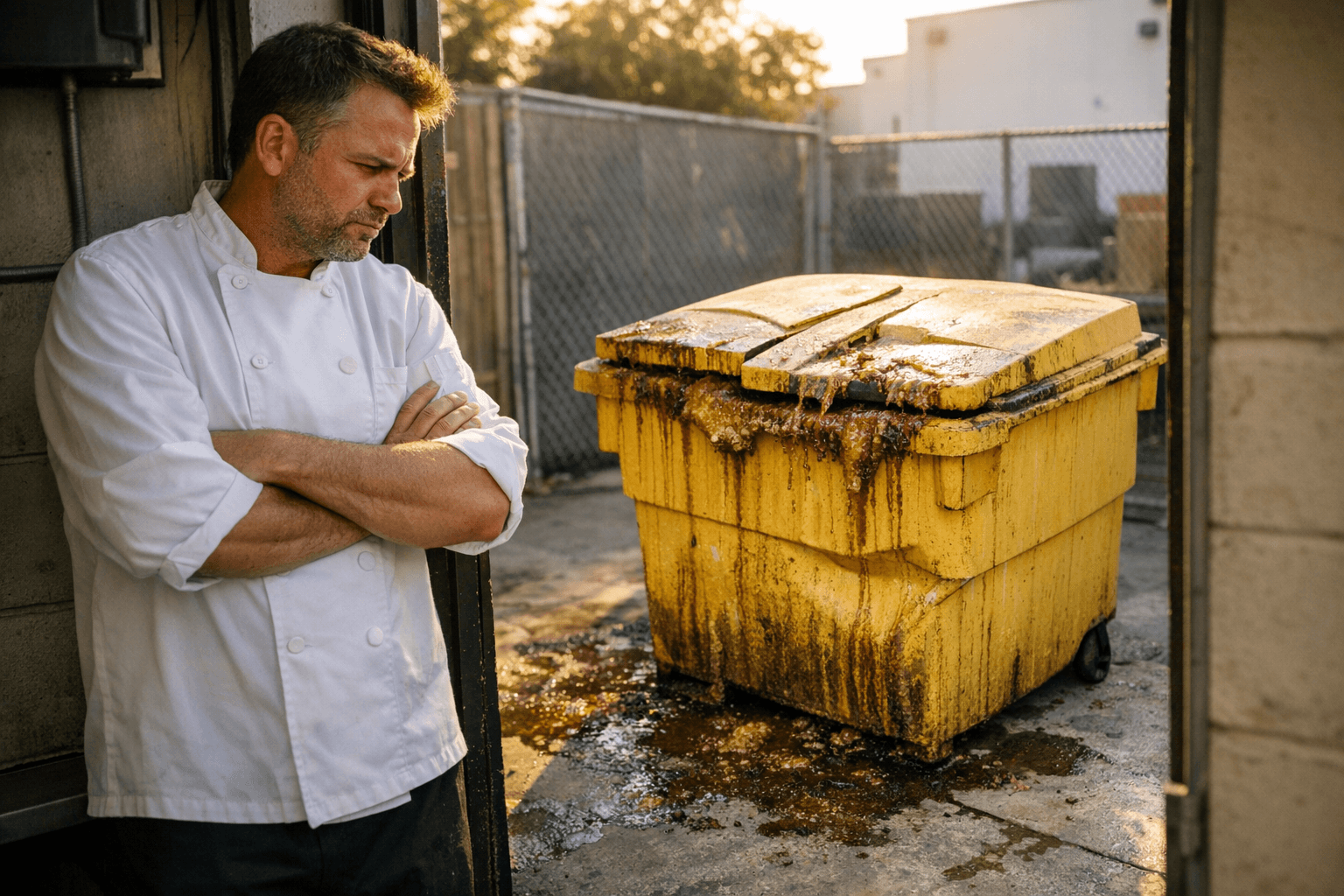
Fryer oil disposal is one of those back-of-house operations that can quietly become a compliance liability if your team isn't following the right procedures. Whether you run a quick-service taco spot in Anaheim, a full-service seafood restaurant in San Diego, or a ghost kitchen in the San Fernando Valley, proper fryer oil disposal is not optional — it's a legal and operational requirement.
This guide covers everything you need to know: when to change your oil, how to handle it safely, what storage requirements apply, and how California regulations affect your restaurant's disposal obligations.
When to Change Fryer Oil
The first step in good fryer oil disposal is knowing when your oil is past its prime. Continuing to cook with degraded oil is both a food quality issue and a safety hazard.
Signs your fryer oil needs to be changed:
- Oil turns dark brown or black
- Visible foam or excessive bubbling at operating temperature
- Smoke point drops noticeably (oil begins smoking at lower temps)
- Food takes on off-flavors or a bitter taste
- Acrid or rancid smell during cooking
The most reliable method is to use a TPM (Total Polar Materials) test kit or digital meter. California's food safety code references TPM levels as an indicator of oil quality. Many commercial kitchens aim to change oil before TPM reaches 25%, though your specific product and food type may warrant stricter thresholds.
Typical change frequency by operation type:
| Operation Type | Oil Change Frequency |
|---|---|
| High-volume fast food (chicken, fish) | Daily |
| Mid-volume casual dining | Every 1–2 days |
| Lower-volume fine dining | Every 2–3 days |
| Seasonal or catering | After each event |
Filtering your oil daily — using a portable fryer filter or built-in filtration system — can extend oil life by 25 to 50%, which meaningfully reduces your disposal volume and product costs.
Safe Handling Procedures
Used fryer oil is hot, heavy, and slippery. Burns from improperly handled oil are one of the most common kitchen injuries. Before your staff touches a drop of used oil, make sure these procedures are in place.
Allow oil to cool before transferring. Hot oil should never be poured directly into storage containers. Let fryers cool to below 100°F before draining. Use a thermometer rather than guessing.
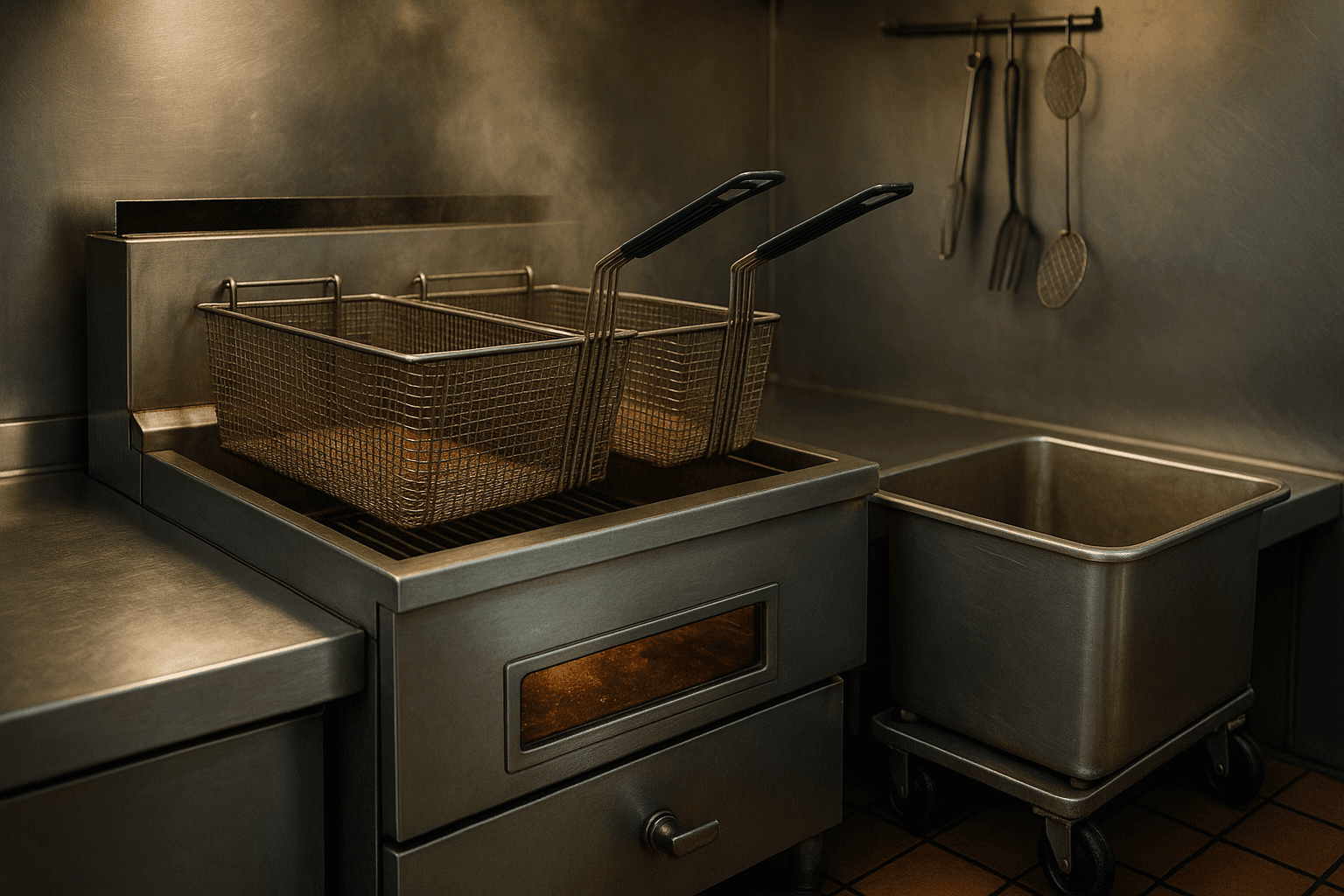
Use the right equipment. A fryer drain wand, transfer hose, or pump transfer system keeps hands away from hot oil. If your staff is pouring oil manually, use proper heat-resistant gloves and pour slowly to avoid splashing.
Label everything clearly. Used oil containers should be clearly marked "USED OIL — NOT FOR CONSUMPTION" to prevent accidental reuse. This sounds obvious, but in busy back-of-house environments with high staff turnover, clear labeling prevents serious mistakes.
Keep the area clean. Oil spills on kitchen floors are a slip hazard. Keep absorbent mats near the fryer and clean up spills immediately. Outdoor storage areas should be maintained in good condition to prevent environmental contamination.
Storage Requirements in Southern California
Once your oil is transferred out of the fryer, it needs to go somewhere safe before your scheduled pickup. Southern California municipalities — including those in Los Angeles County, Orange County, and San Diego County — have specific requirements for used oil storage.
Key storage rules:
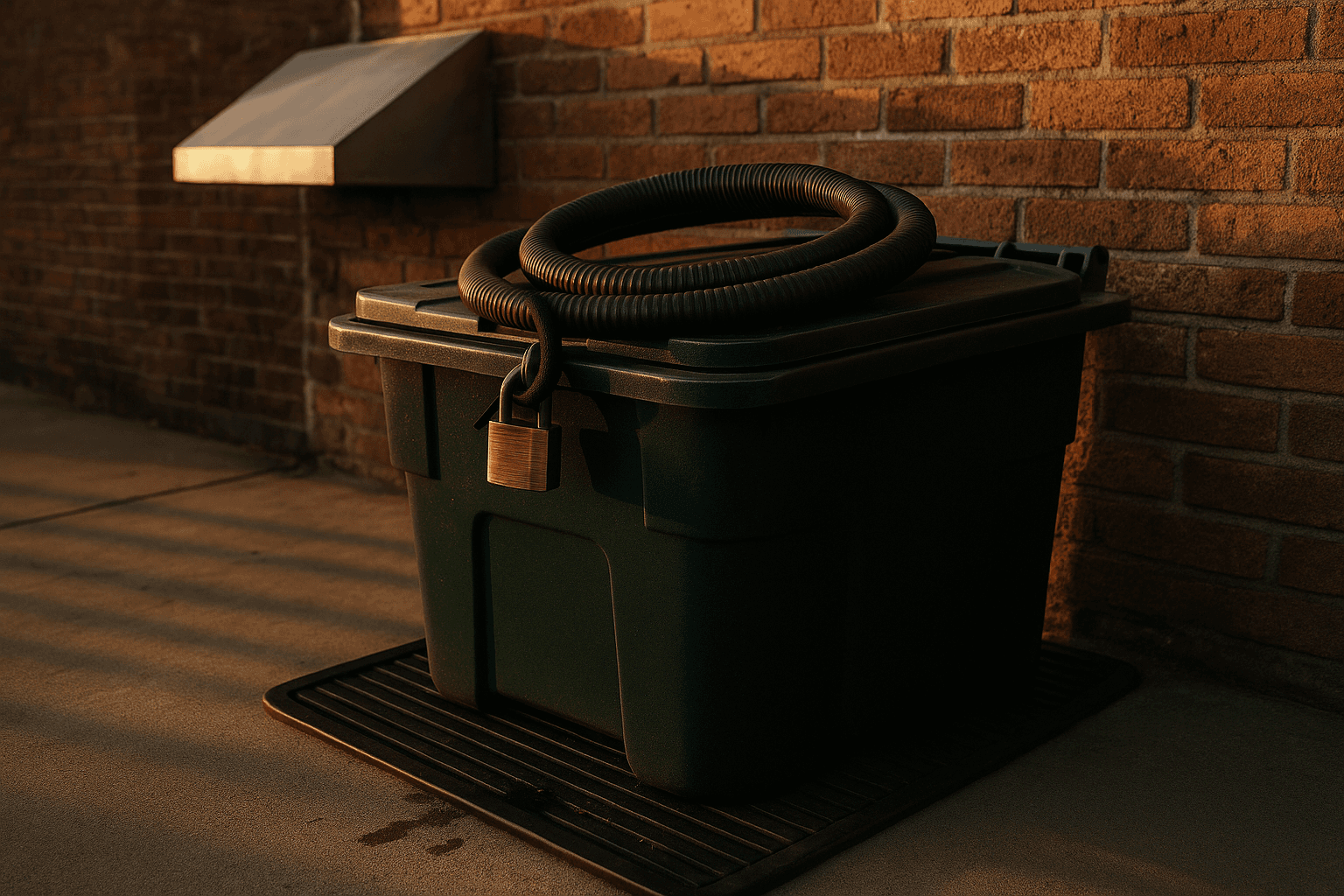
- Store used oil in sealed, leak-proof containers with lids that fully close
- Containers must be placed on impermeable surfaces (concrete or asphalt) — not soil or gravel
- Storage areas should be protected from rain runoff reaching storm drains
- Keep containers away from building entrances, customer areas, and dumpsters where possible
- Do not mix used cooking oil with other waste streams (grease trap waste, chemicals, etc.)
If you don't have adequate storage containers, many used cooking oil pickup providers — including Kitchen Oil Recycling — supply sealed totes or barrels at no charge as part of ongoing free used cooking oil pickup service agreements.
California Regulations for Fryer Oil Disposal
California treats used cooking oil as a regulated material, which means how you dispose of it matters legally, not just environmentally.
CDFA Licensing Requirements
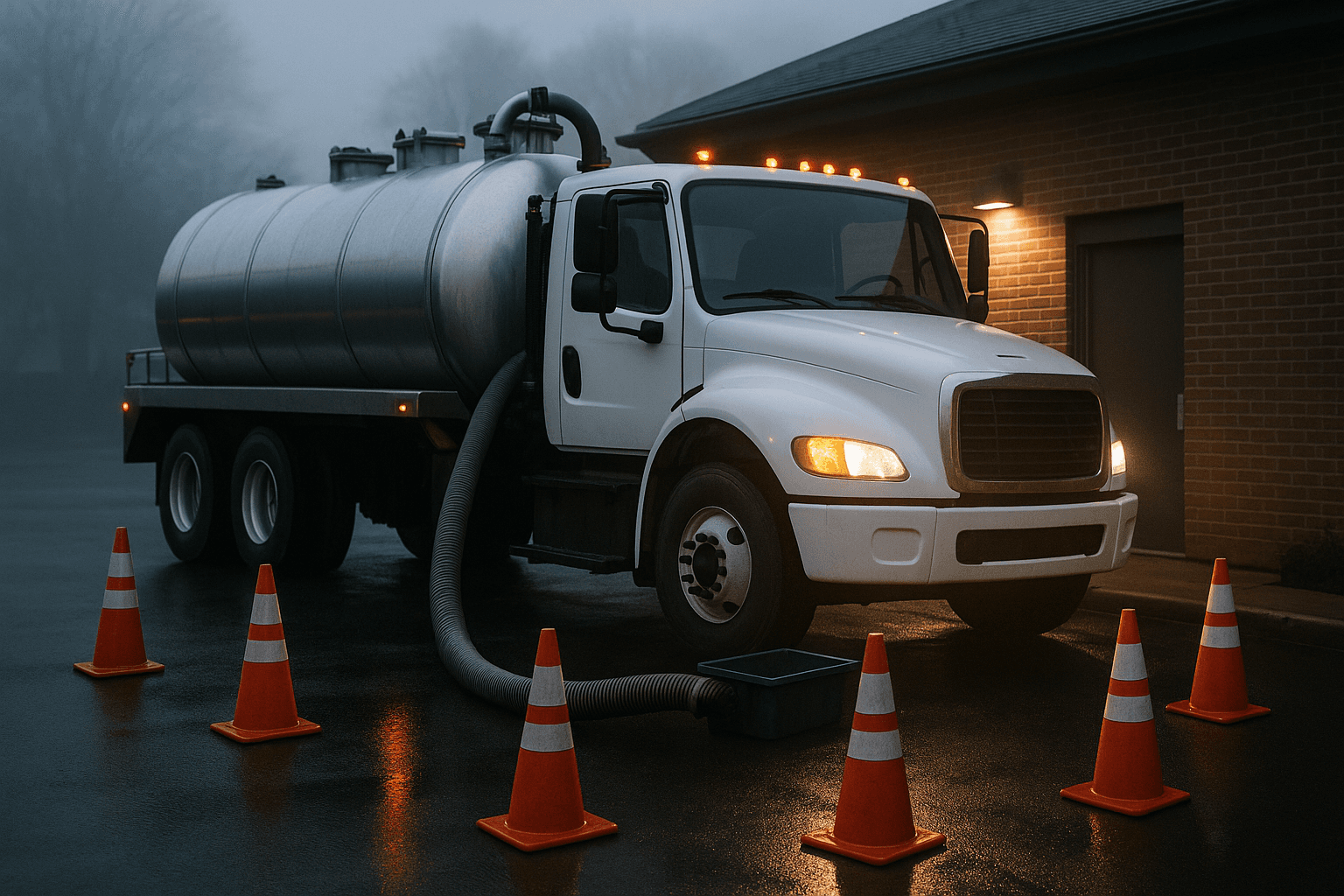
The California Department of Food and Agriculture regulates the rendering and collection of used cooking oil. Any company that hauls your used oil must hold a valid CDFA license as a rendering company or waste oil hauler. Handing your used oil off to an unlicensed individual — even if they claim they'll use it for biodiesel — exposes your restaurant to liability.
Theft of Cooking Oil is a Real Problem
Used cooking oil has significant commodity value because it's a feedstock for biodiesel and renewable diesel production. Cooking oil theft from restaurant storage areas is common throughout Southern California. Working with a licensed provider who supplies locked containers adds a layer of security and ensures your oil reaches a legitimate processing facility.
Manifest and Record-Keeping
Your licensed hauler should provide documentation for every pickup — typically a service ticket or manifest. Orange County Environmental Health, the LA County Department of Public Health, and San Diego County DEH may ask to review these records during routine inspections. Keep pickup records on file for a minimum of three years.
Grease Trap Connection
Fryer oil disposal and grease trap compliance are related but separate obligations. Your grease traps collect FOG that makes it through the kitchen drains — which is why proper fryer oil disposal (keeping oil out of drains in the first place) directly reduces how quickly your grease traps fill. If your grease traps are overdue for service, Kitchen Oil Recycling also offers grease trap cleaning as part of a complete FOG management program.
Building a Disposal Routine That Sticks
The restaurants that stay compliant and avoid fines are the ones that build fryer oil disposal into their daily and weekly operational routines — not the ones that scramble when the inspector shows up.
Practical steps to build the habit:
- Post a fryer oil checklist at each station with change frequency, cool-down protocol, and transfer steps
- Designate one staff member per shift as responsible for oil monitoring
- Schedule oil test kit checks as part of your opening or closing checklist
- Set a recurring calendar reminder for pickup scheduling if you're not on automatic service
- Train new hires on oil handling as part of kitchen onboarding — not as an afterthought
If your operation generates enough volume, switching to a scheduled automatic pickup service removes the mental load entirely. Kitchen Oil Recycling's free used cooking oil pickup service operates across Orange County, Los Angeles, and San Diego with flexible scheduling based on your actual volume — daily, weekly, or bi-weekly depending on what you generate.
The Bottom Line
Fryer oil disposal done right protects your kitchen staff, keeps you on the right side of California environmental and health regulations, and qualifies most restaurants for free pickup service — which is genuinely valuable given that licensed hauling, fuel, and documentation costs would otherwise fall on you. Done wrong, it creates liability, hazards, and fines that far outweigh any convenience of shortcuts.
If you're unsure whether your current disposal setup is compliant or want to explore a free pickup service tailored to your Southern California restaurant, contact Kitchen Oil Recycling for a no-obligation assessment.